When to Call Mold Remediation Experts Instead of DIY Solutions
Mold is one of those things you hope you never find, but when you do, the first question is always: can I handle this myself, or do I need to call someone? I have spent years working in moisture control and indoor air quality, and I have seen both sides of that decision play out in homes across Fort Worth. The answer is not as simple as a yes or no, and it depends on the size of the problem, the type of mold, and the hidden damage that may be lurking behind the surface.
If you spot a small patch of mildew on a bathroom ceiling or a bit of fuzz around a window frame, a store-bought spray and some elbow grease can often do the trick. But when the affected area covers more than a few square feet, or when the mold keeps coming back no matter how much you scrub, that is the moment to start thinking about bringing in the professionals. Mold remediation experts have tools and training that go far beyond what is available at the hardware store, and they can spot issues that the average homeowner simply does not see.
Understanding the Difference Between Surface Mold and Hidden Infestations
Not all mold is created equal. The greenish-black spots you see on grout are usually surface-level and relatively easy to clean with a solution like white vinegar or hydrogen peroxide. But when you are dealing with black mold, specifically Stachybotrys chartarum, the stakes are higher. That fungus thrives on materials with high cellulose content, like drywall and wood, and it releases mycotoxins that can cause respiratory problems, headaches, and fatigue. I have walked into crawl spaces in Fort Worth where the moisture meter was pegged at 100 percent, and the mold was growing three inches deep inside the wall cavity. No amount of bleach on the surface would have fixed that.
Bleach is actually one of the most misunderstood tools in mold cleanup. Many people grab it because they think it kills everything, but on porous surfaces like drywall or untreated wood, bleach does not penetrate deeply enough to kill the roots. The water in the solution can even feed the mold growth behind the surface. A better DIY option for small spots is undiluted white vinegar, which has a mild acidity that kills many common molds. For tougher jobs, hydrogen peroxide at 3 percent concentration works well on non-porous surfaces. But when the infestation has spread into the structure of the home, those household products are not enough.
What Professional Remediation Involves
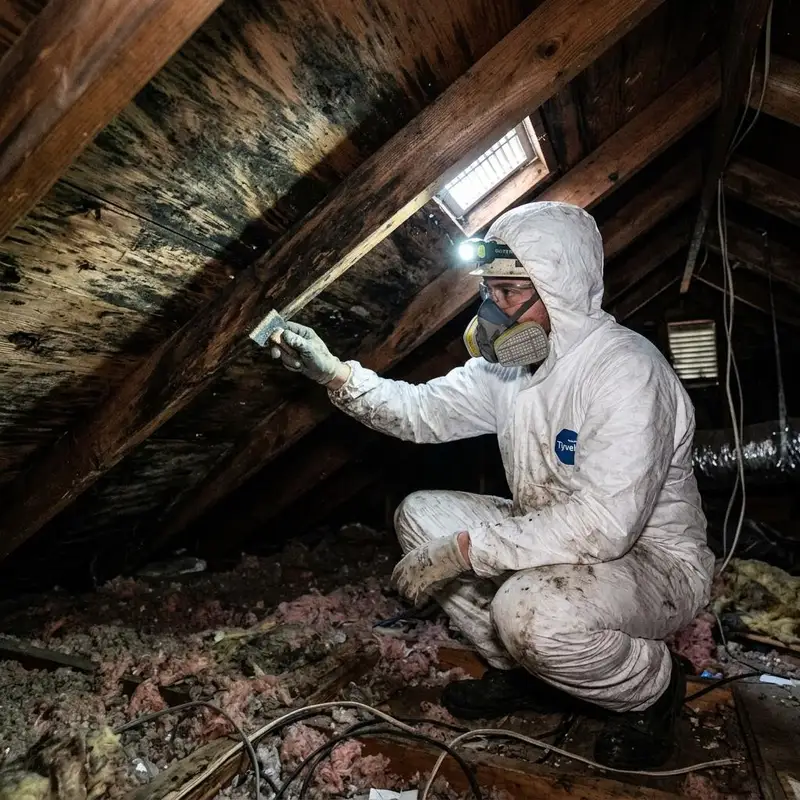
When I work with mold remediation experts, the first thing they do is assess the situation with a moisture meter and sometimes a mold testing kit. They look for the source of the moisture, because without fixing that, any cleaning is just temporary. In Fort Worth, the combination of high humidity and older homes with poor attic ventilation creates a perfect environment for mold. I have seen attics where the insulation was soaked through, and the only way to stop the mold was to improve airflow and add a dehumidifier to the space.
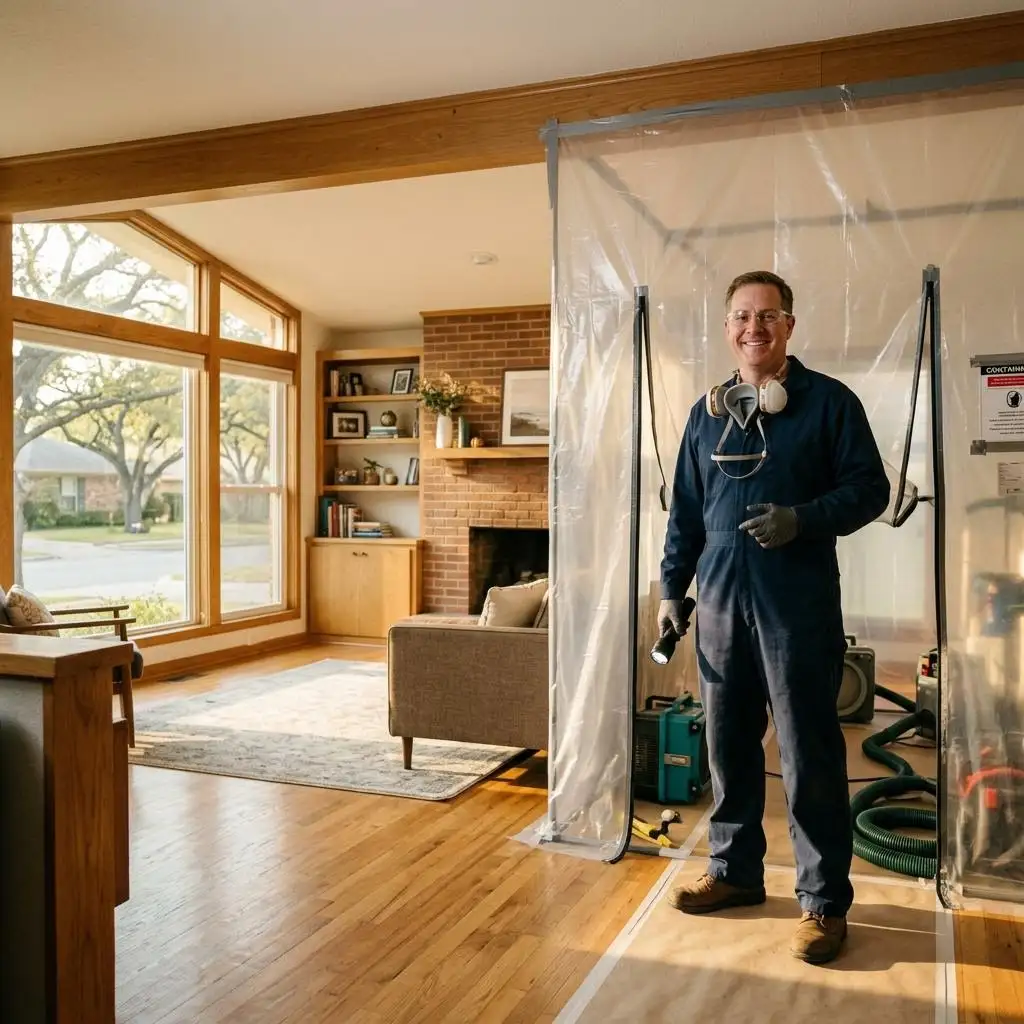
Once the source is identified, the real work begins. Professionals use HEPA vacuums to capture airborne spores that would otherwise settle somewhere else in the house. They set up containment barriers to keep the spores from spreading during cleanup. They strip out contaminated materials like drywall, carpet, and insulation, and they treat the remaining surfaces with commercial-grade products like Concrobium or RMR-141. These are not the same as the sprays you buy at the grocery store. They are designed to kill mold at the root and leave behind a protective barrier that resists regrowth. Some pros also use Mold Armor for certain applications, but the choice depends on the material and the extent of the damage.
The process is messy, it is disruptive, and it is expensive if you do it wrong. That is why many homeowners end up calling mold remediation experts after a failed DIY attempt. They scrub the visible mold, paint over it, and three months later it comes back darker than before. By that point, the spores have had time to colonize deeper into the wall cavity, and the cost of remediation goes up significantly.
When to Call the Pros Instead of Reaching for a Spray Bottle
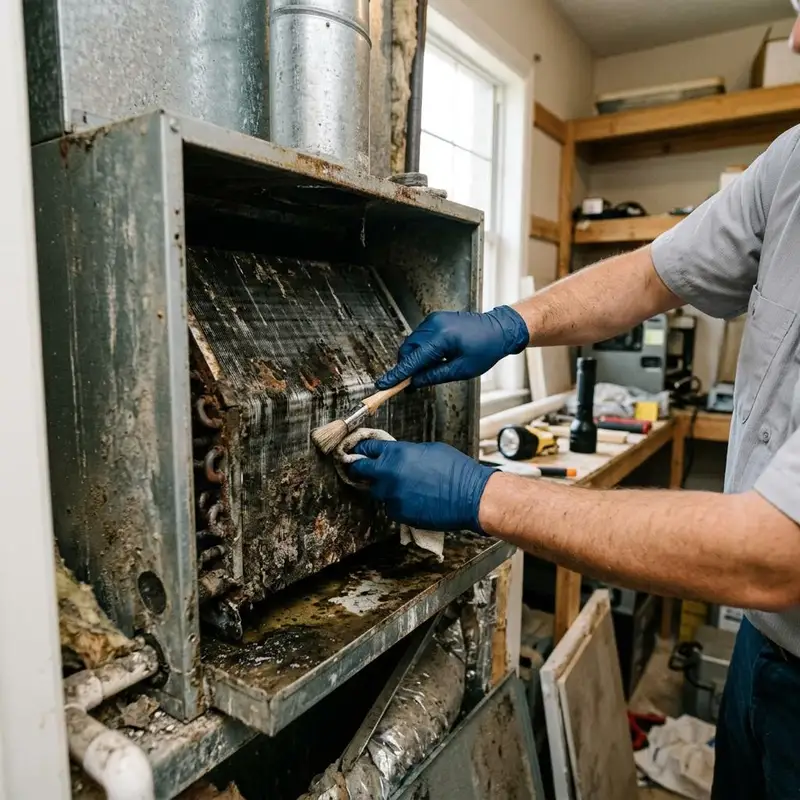
There are a few clear signs that it is time to stop experimenting and call someone who knows what they are doing. First, if the affected area is larger than about three feet by three feet, the Environmental Protection Agency recommends professional remediation. That guideline exists because disturbing a large colony releases a cloud of spores into the air, and you do not want to breathe that in without proper protection. Second, if you or anyone in the household has asthma, allergies, or a compromised immune system, do not take chances. Mold exposure can trigger serious reactions. Third, if the mold is in the HVAC system or inside a wall cavity, you need someone with the right equipment to find and contain it.
Another red flag is a musty smell that does not go away. That odor means there is active mold growth somewhere, even if you cannot see it. A professional will use a moisture meter to check behind baseboards, inside cabinets, and in the crawl space under your house. They can also take air samples and compare them to outdoor baseline levels to determine how much contamination is in the living space. The Texas Department of State Health Services has guidelines for mold assessment, and many remediation companies follow protocols set by the Institute of Inspection Cleaning and Restoration Certification (IICRC) or the American Industrial Hygiene Association. Those standards exist for a reason.
The Cost of Cutting Corners
I have seen homeowners try to save money by painting over mold with Kilz or Zinsser primers. Those products are designed to seal stains, but they do not kill the mold underneath. The mold continues to grow, and eventually it pushes through the paint. I have also seen people use bleach on drywall, which makes the surface look clean but leaves the roots intact. Within months, the mold is back, sometimes worse than before. The money saved on a DIY approach gets spent on a bigger remediation job later, plus the cost of replacing materials that could have been saved if treated properly the first time.
There is also a health cost. The National Association of Mold Remediation Specialists emphasizes that improper cleanup can spread spores throughout the house, contaminating furniture, clothing, and the HVAC system. What started as a small bathroom problem can turn into a whole-house issue. I have been in homes where the homeowners did their best with a mold testing kit, found what they thought was a non-toxic species, and then learned later that they missed Stachybotrys chartarum hiding behind the baseboards. That kind of mistake is hard to undo.
Practical Steps for Homeowners
If you find mold in your home, here is a practical way to decide your next move:
- Assess the size. Less than three square feet of surface mold on a non-porous material like tile or glass can often be cleaned with white vinegar or hydrogen peroxide. Wear gloves and a mask, and make sure the room is ventilated.
- Check the source. Look for leaks, condensation, or poor ventilation. If you find a plumbing leak or a roof leak, fix that first. Mold needs moisture, and cutting off the water supply is the most important step.
- Consider the material. Mold on drywall, carpet, or insulation usually means the material needs to be removed and replaced. Cleaning those porous surfaces is rarely effective.
- Watch for symptoms. If anyone in the house is coughing, sneezing, or having headaches, do not wait. Call a professional to do an inspection.
When it comes time to hire someone, look for certifications from the Institute of Inspection Cleaning and Restoration Certification or the American Industrial Hygiene Association. A good contractor will do a thorough inspection with a moisture meter, provide a written scope of work, and explain exactly what they will remove and how they will prevent cross-contamination. They should also give you a clear plan for preventing future mold growth, which might include installing a dehumidifier, improving attic ventilation, or sealing the crawl space from ground moisture.
The Bottom Line on Mold
Mold is not just an eyesore. It is a sign that something is wrong with the building envelope, and it can affect the health of everyone inside. The right approach depends on the specifics of the situation, but there is no shame in calling in mold remediation experts when the job is beyond a simple wipe-down. In fact, knowing when to bring in a professional is the smartest thing a homeowner can do. It saves time, money, and frustration in the long run. And in a climate like Fort Worth, where humidity is a constant battle, staying ahead of mold means staying vigilant and knowing your limits.